
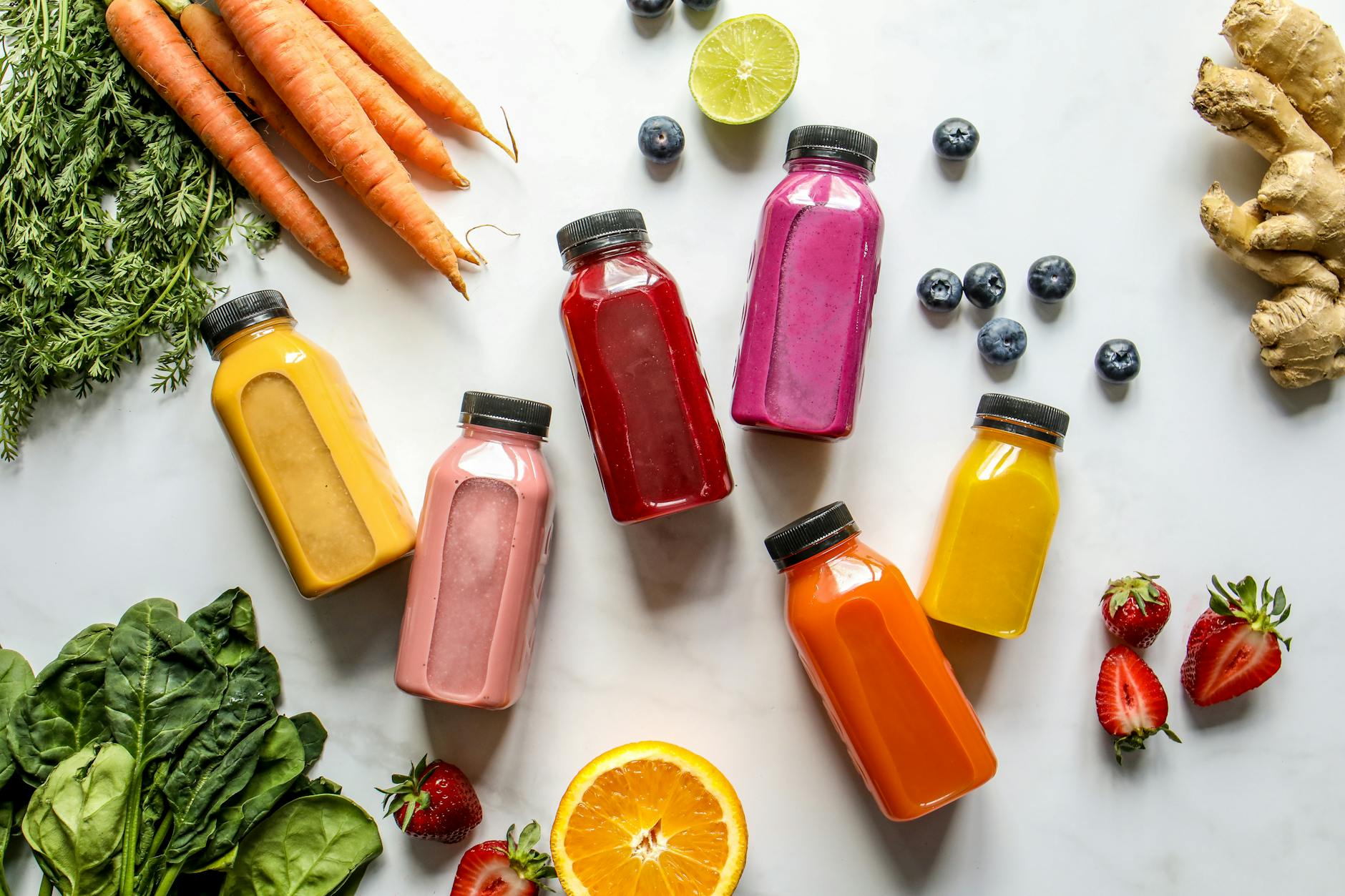
Last month, a soda company approached me for help with importing their products into the U.S. The FDA detained their shipment, citing misbranding issues under FD&CA Section 403(i)(2) and 801(a)(3). Why? Their soda implied that it contained fruit juice by showing a lemon on the PDP and their label was missing a juice percentage.
Why am I highlighting this case? Because the product didn’t contain juice, how would they know that they had to declare “0% Juice” on the label?
According to the FDA’s regulation 21 CFR 101.30, beverages that do not contain juice but make “any other direct or indirect representation with respect to, any fruit or vegetable juice, or the label or labeling bears any vignette (ex. depiction of a fruit or vegetable) or other pictorial representation of any fruit or vegetable, or the product contains color and flavor that gives the beverage the appearance and taste of containing a fruit or vegetable juice” must clearly declare their juice content, even if that content is zero percent. If juice is implied on a beverage, declare the percentage no matter what.
This regulation is designed to prevent misleading representations that could deceive consumers into thinking a beverage contains juice when it does not.
Carefully review all graphic elements on beverage packaging. Any imagery or wording that might imply the presence of juice, such as pictures of fruits or vegetables, or flavor names suggesting juice content, requires a clear juice content declaration.
Specific Label Placement Guidelines for percent juice declaration:
- Information Panel: For beverages sold in a package with an information panel, the percent juice declaration must be:
- Located near the top of the information panel.
- Placed in lines generally parallel to other essential information.
- Positioned so that no other printed label information except the brand name, product name, logo, or universal product code appears above the juice declaration.
- Legibility and Font Requirements:
- The declaration should be in easily legible boldface print or type that distinctly contrasts with other printed or graphic matter on the panel.
- The font size must be at least as large as the largest type found on the information panel, excluding text used for the brand name, product name, logo, universal product code, and specific nutritional information terms like “Nutrition Facts,” “Serving Size,” and “Calories.”
Let’s drive home the real takeaway for small businesses and graphic designers: knowing your stuff about FDA label requirements isn’t just another cost. Compliant labels honestly save brands thousands (even tens or hudreds of thousands) in re-designs, re-printing, and litigation fees. Getting snagged by the FDA for something like a missing “0% Juice” label can throw a big wrench in your CPG plans. So, for small companies trying to make a splash, and for designers looking to keep their clients happy and out of trouble, it pays to nail those labels from the start.
Happy labeling!
 Lauren Rockteacher Consulting
Leave a comment